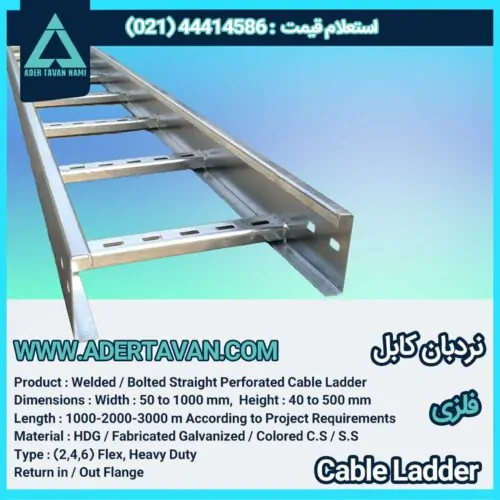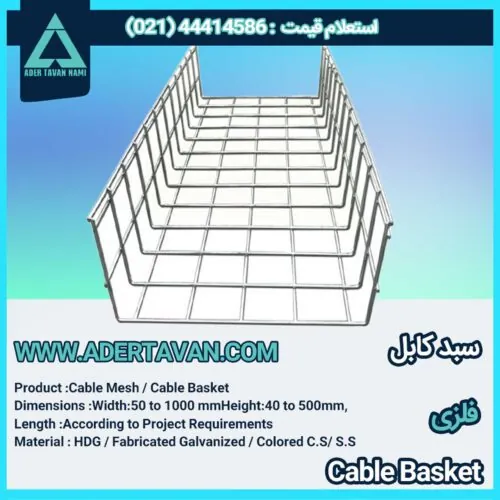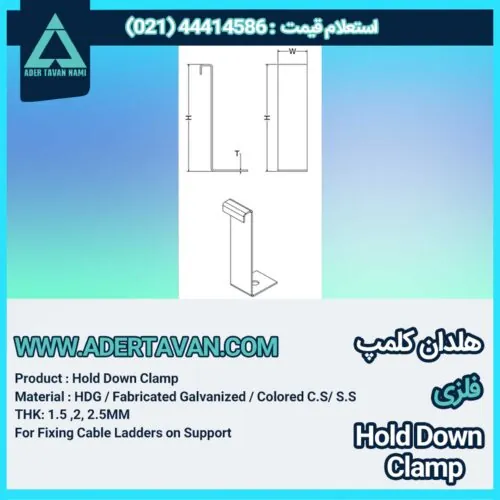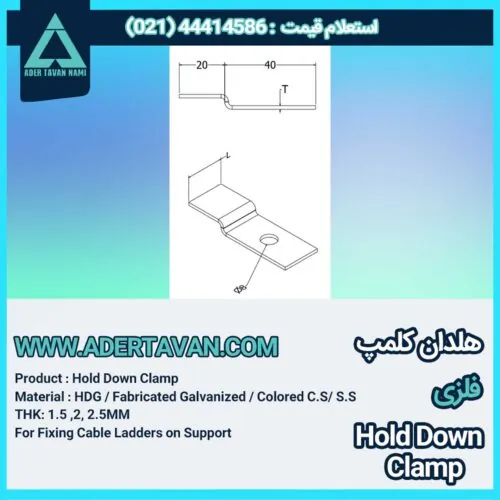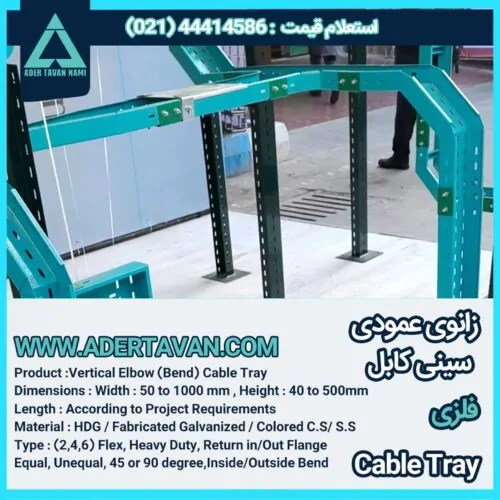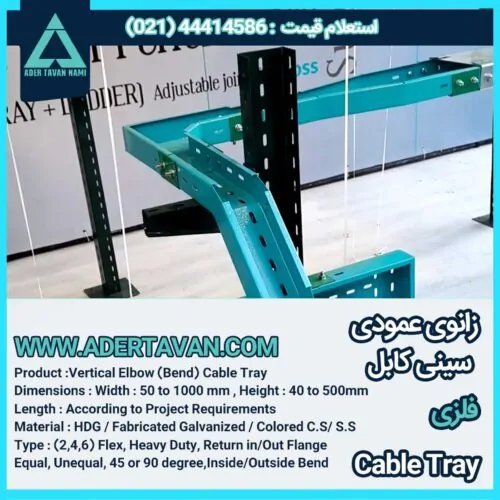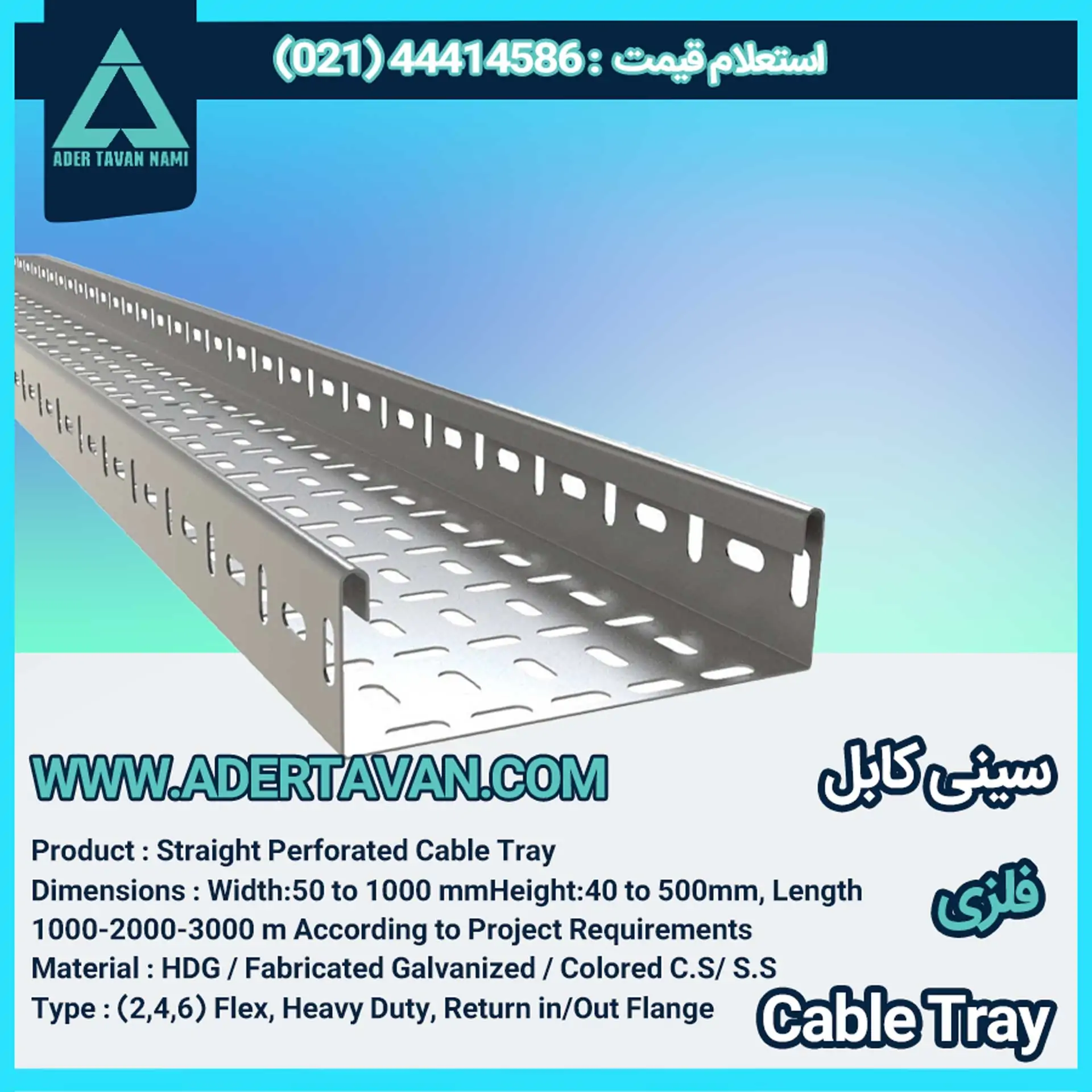
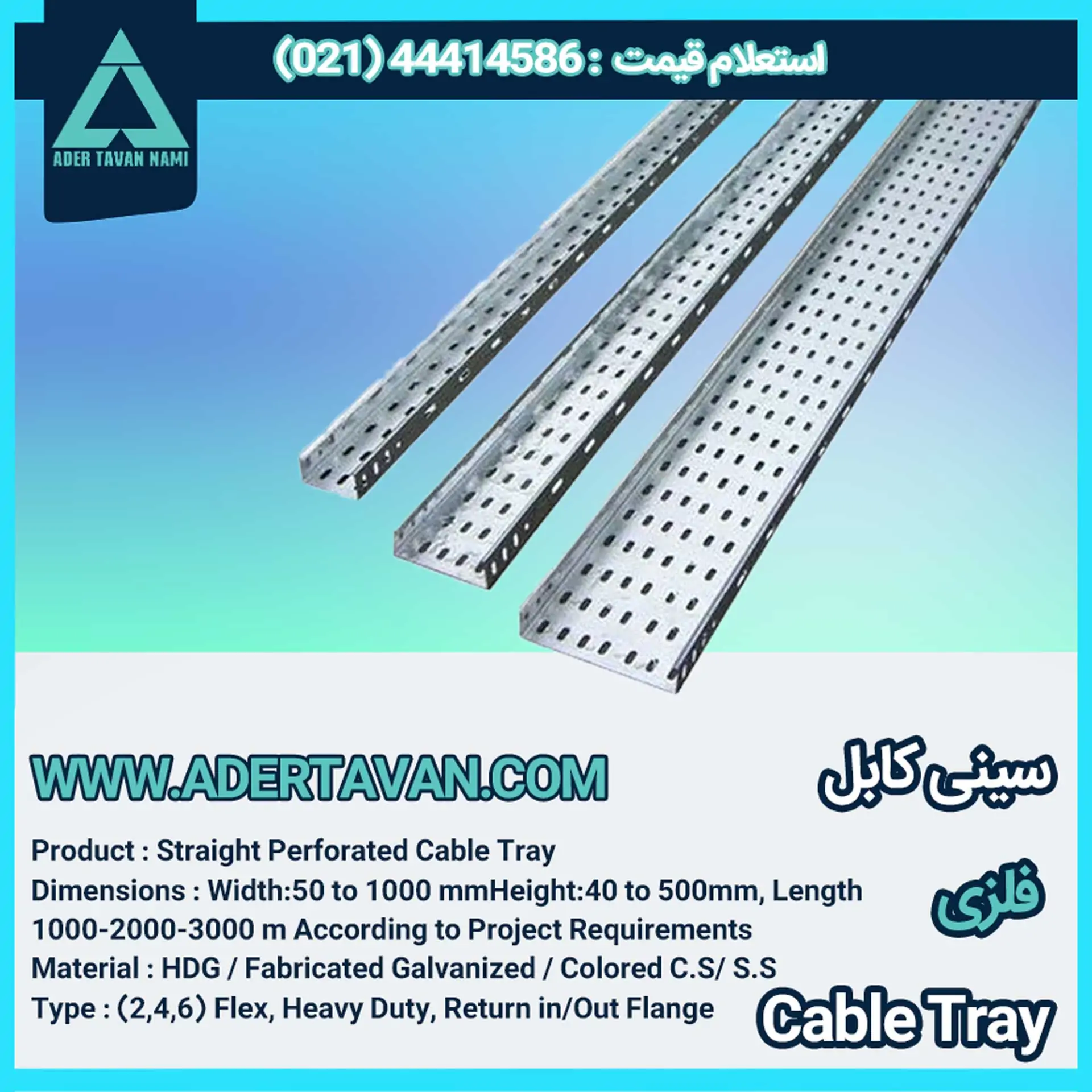
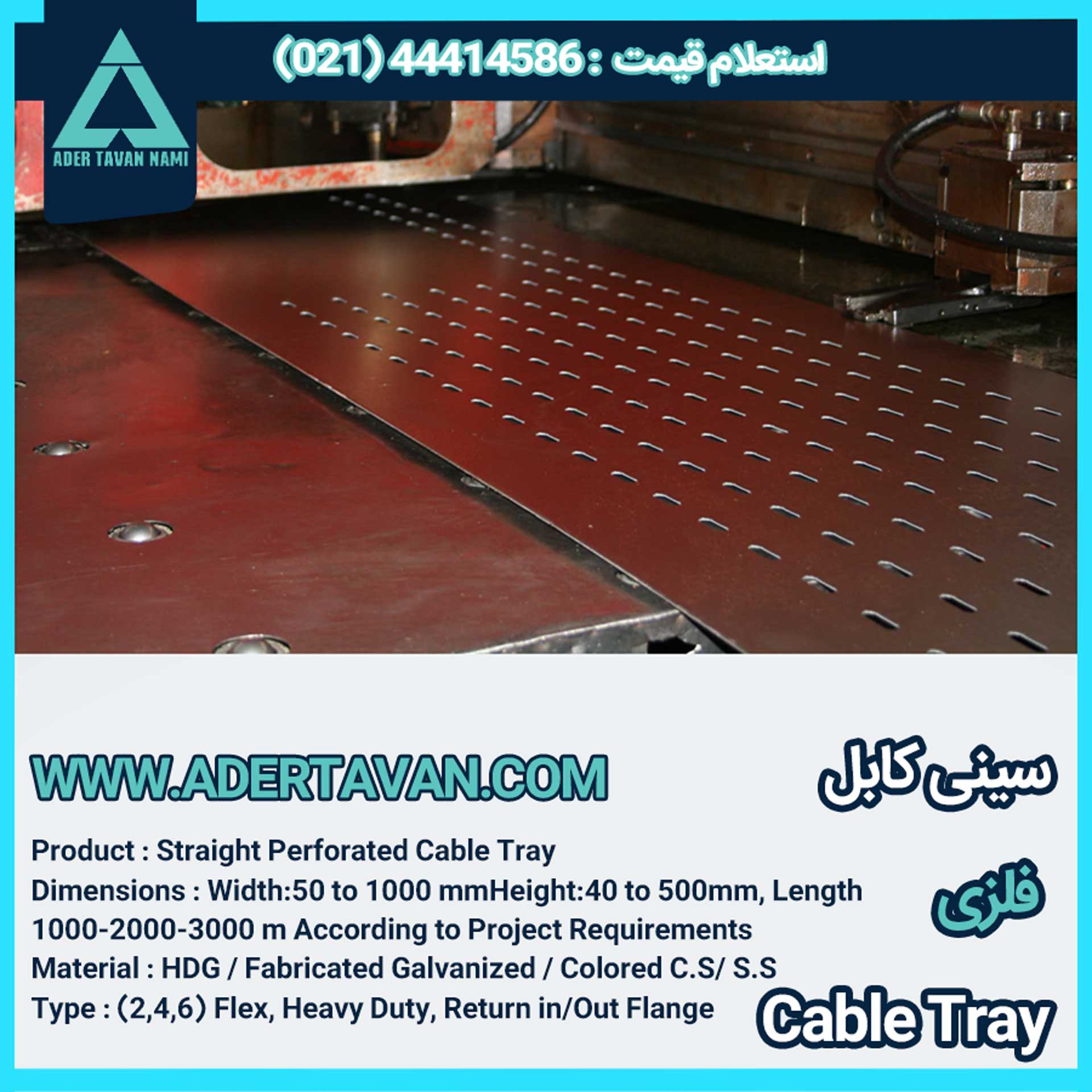
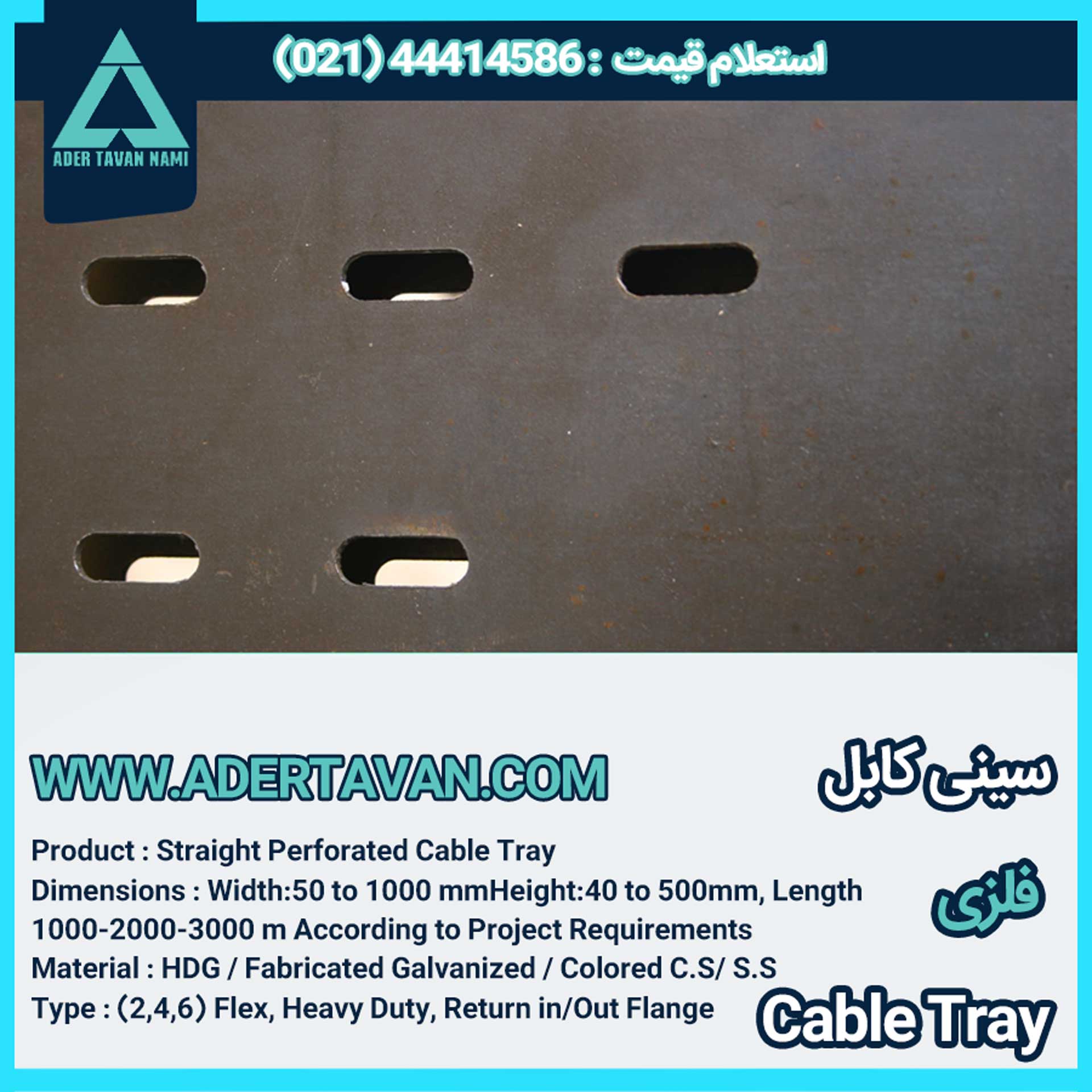
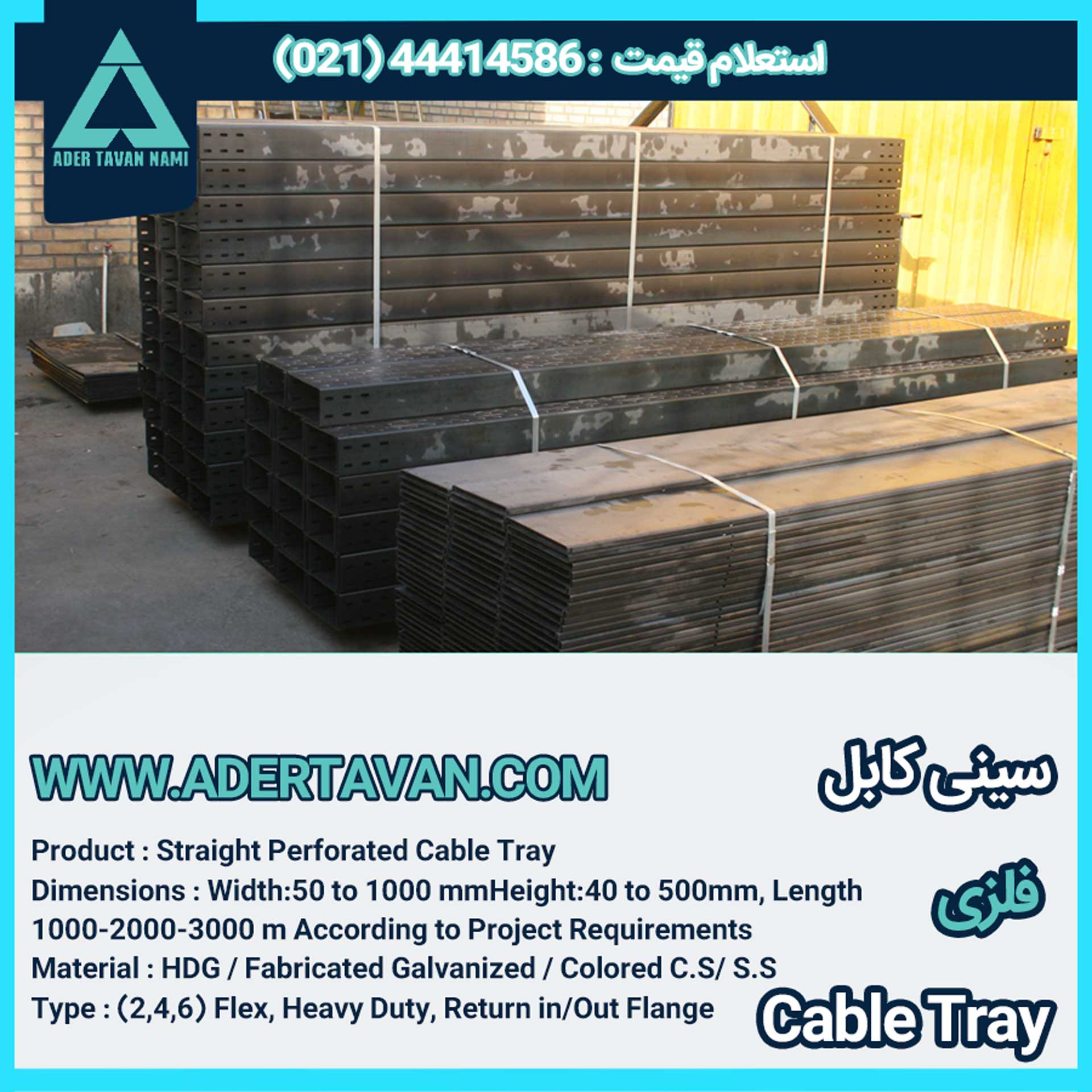
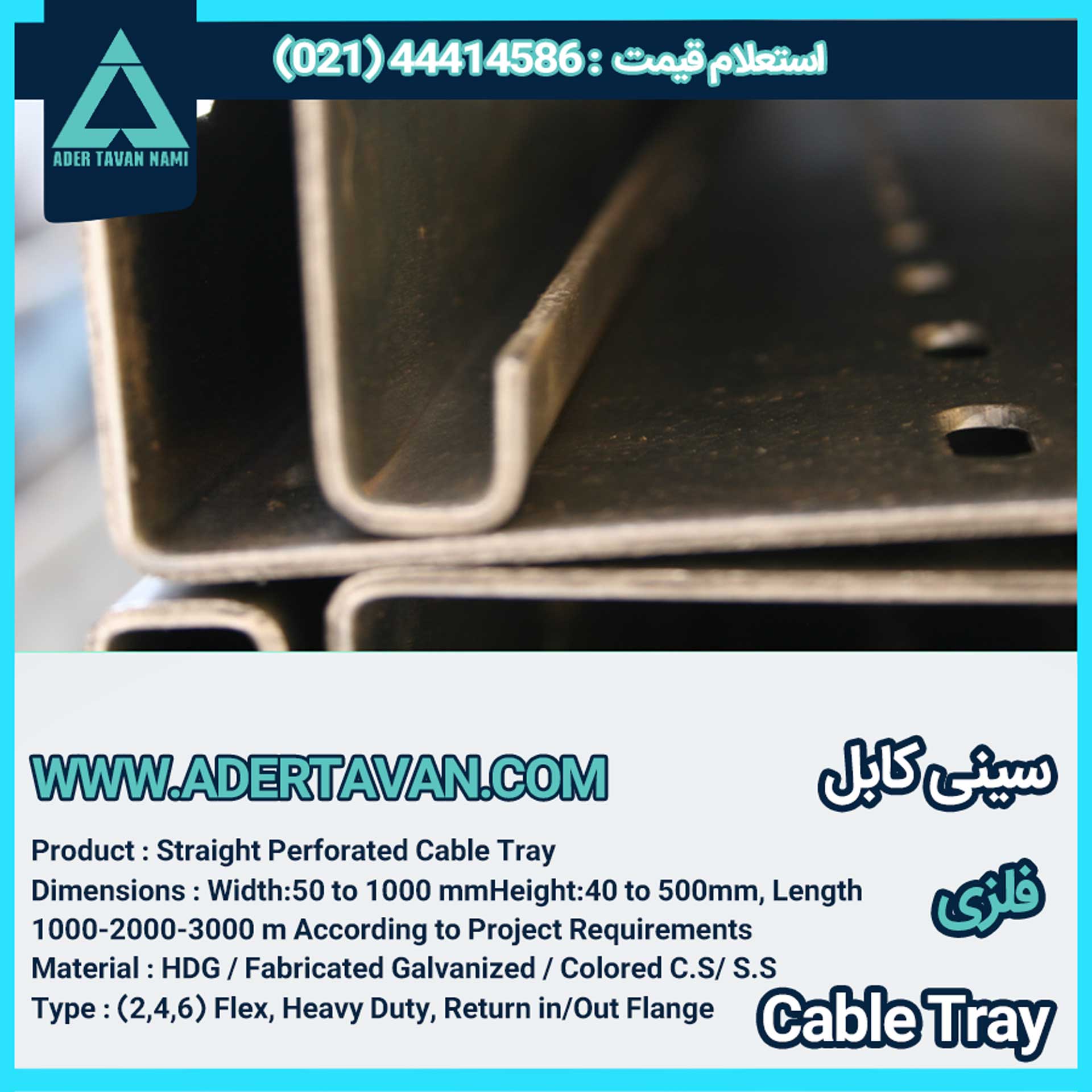
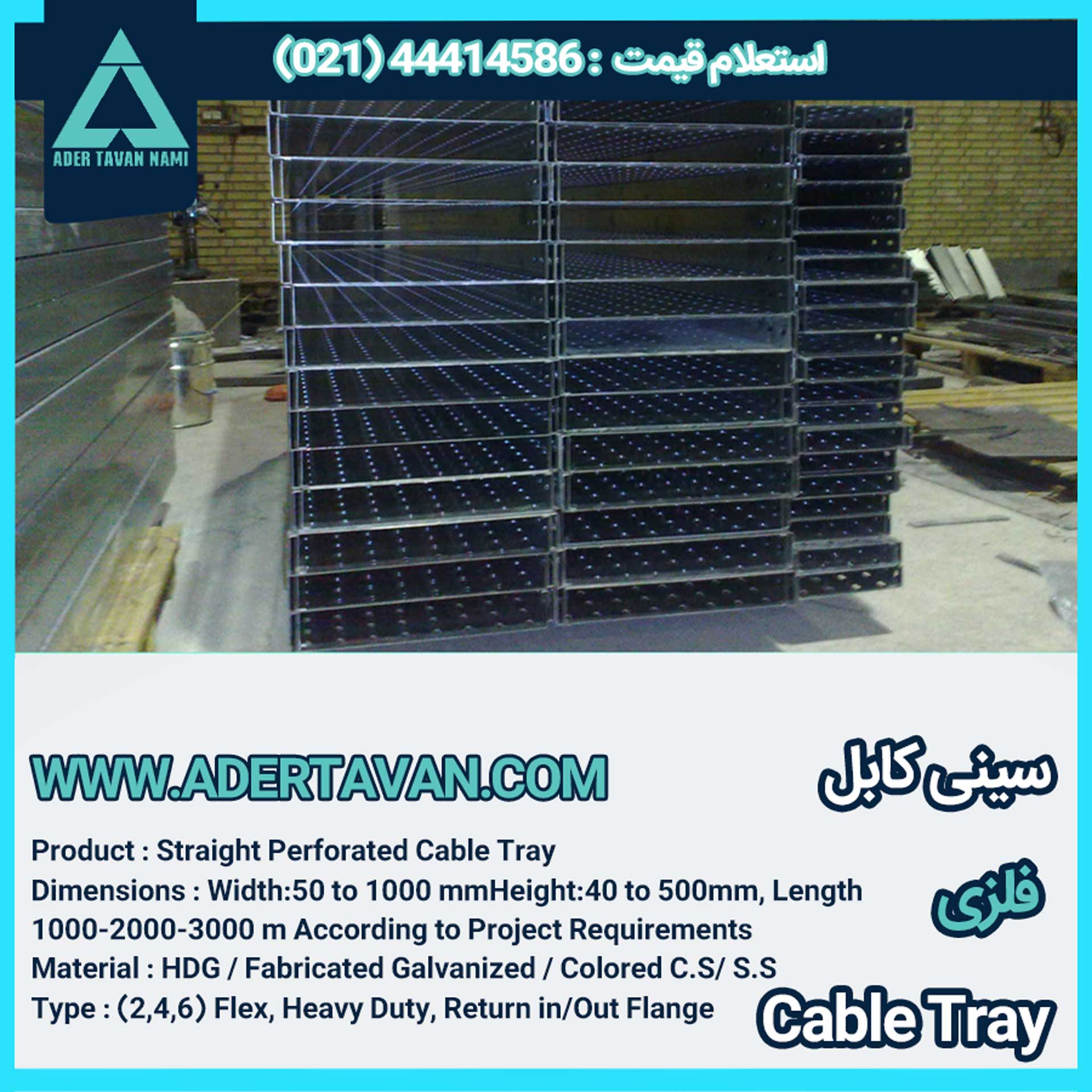
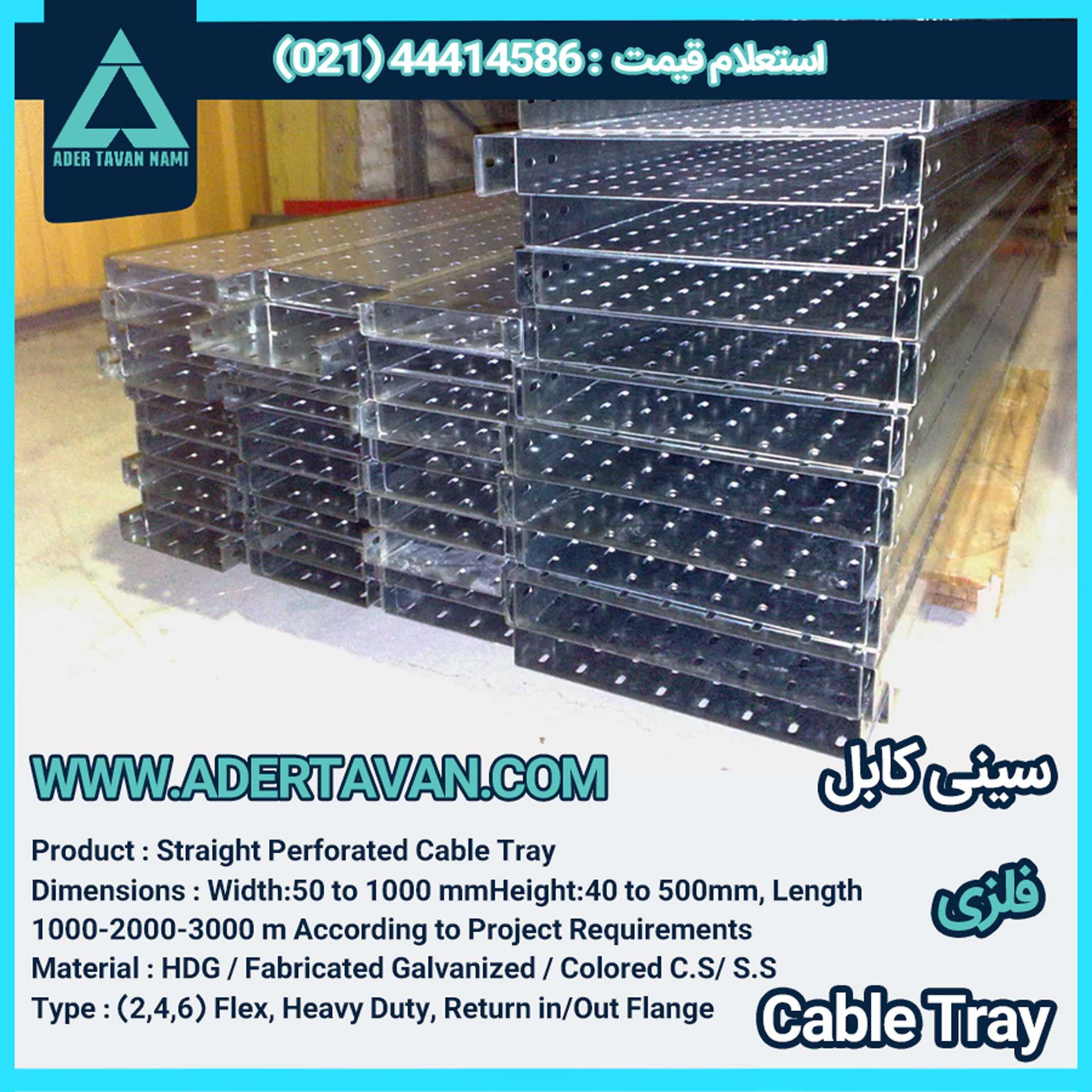
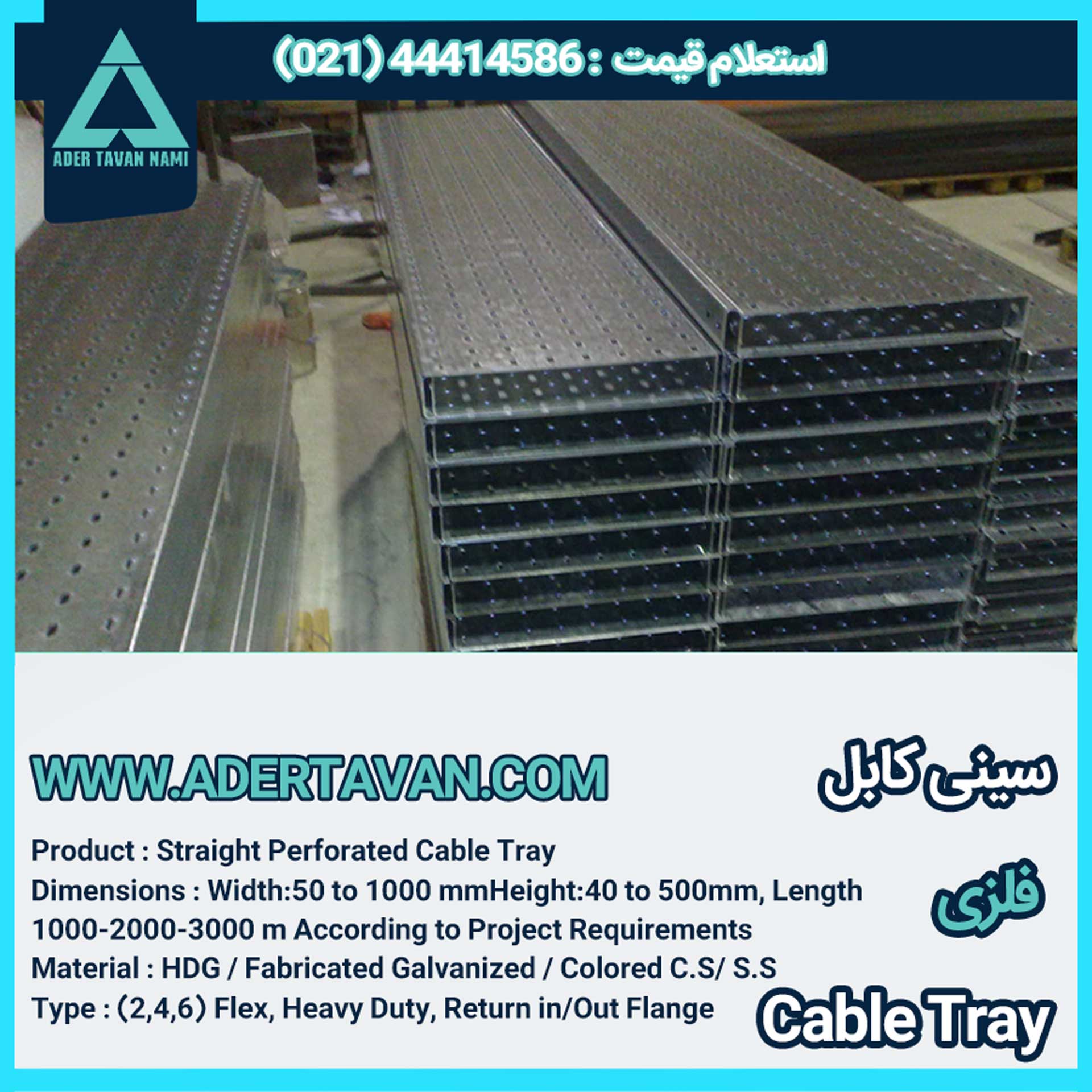
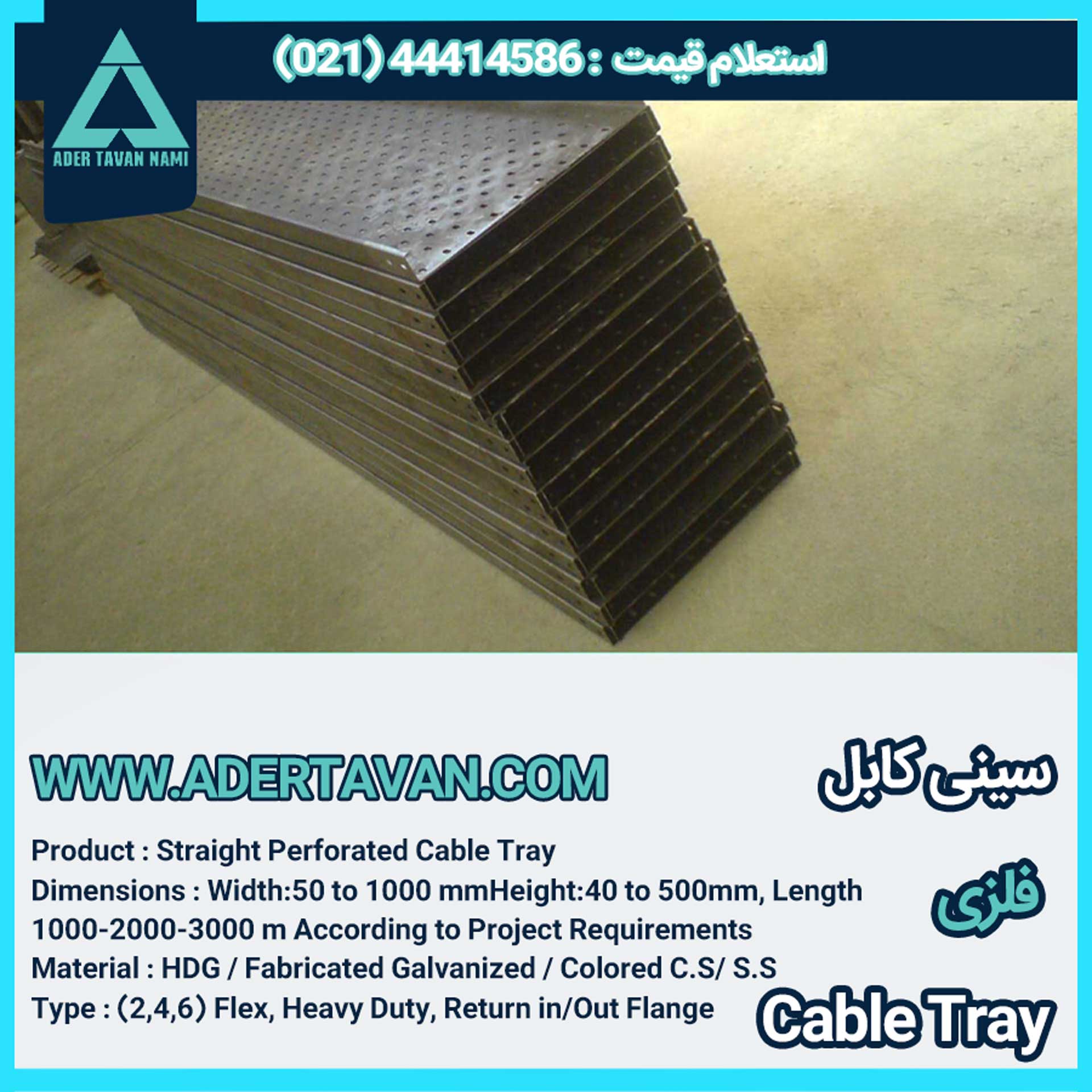
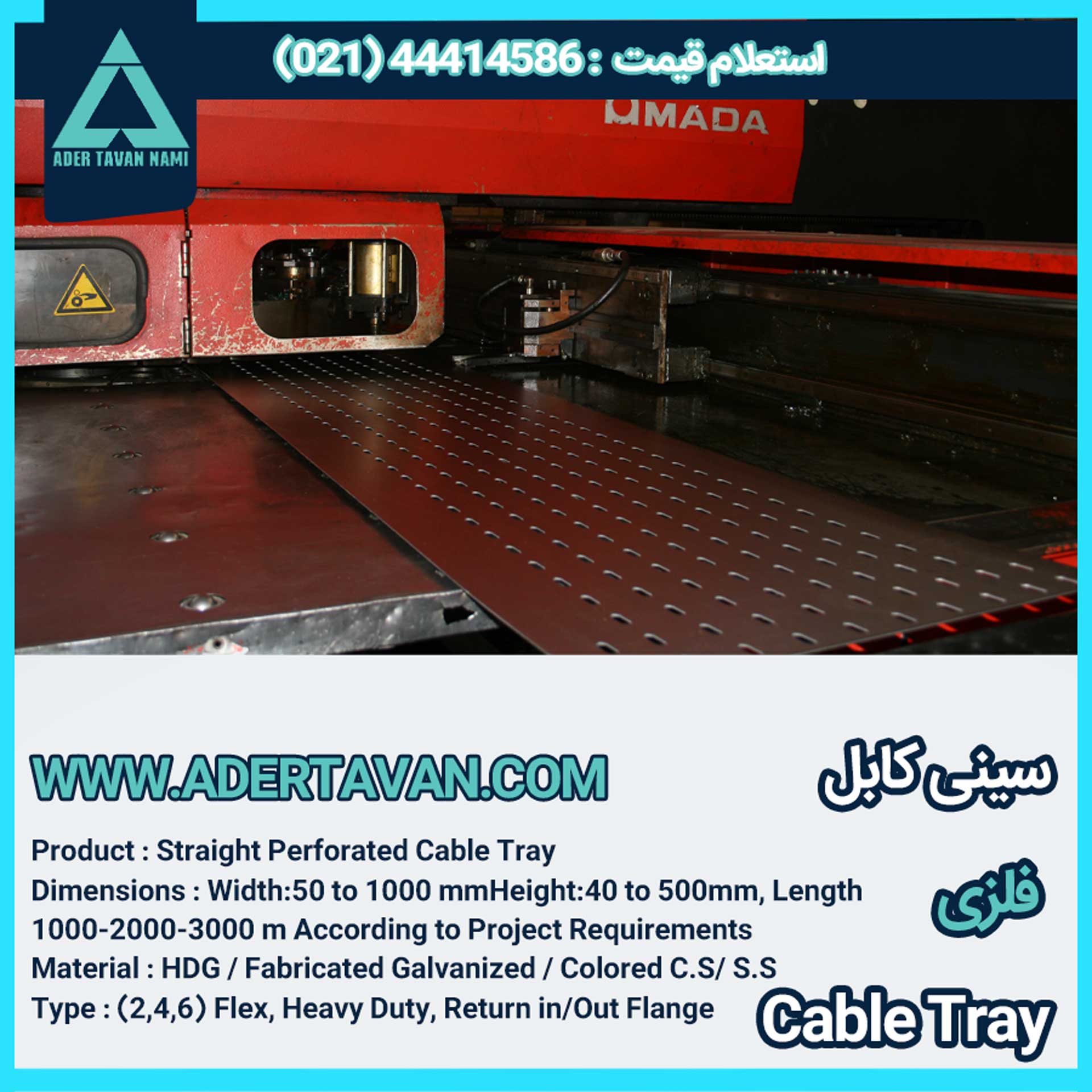
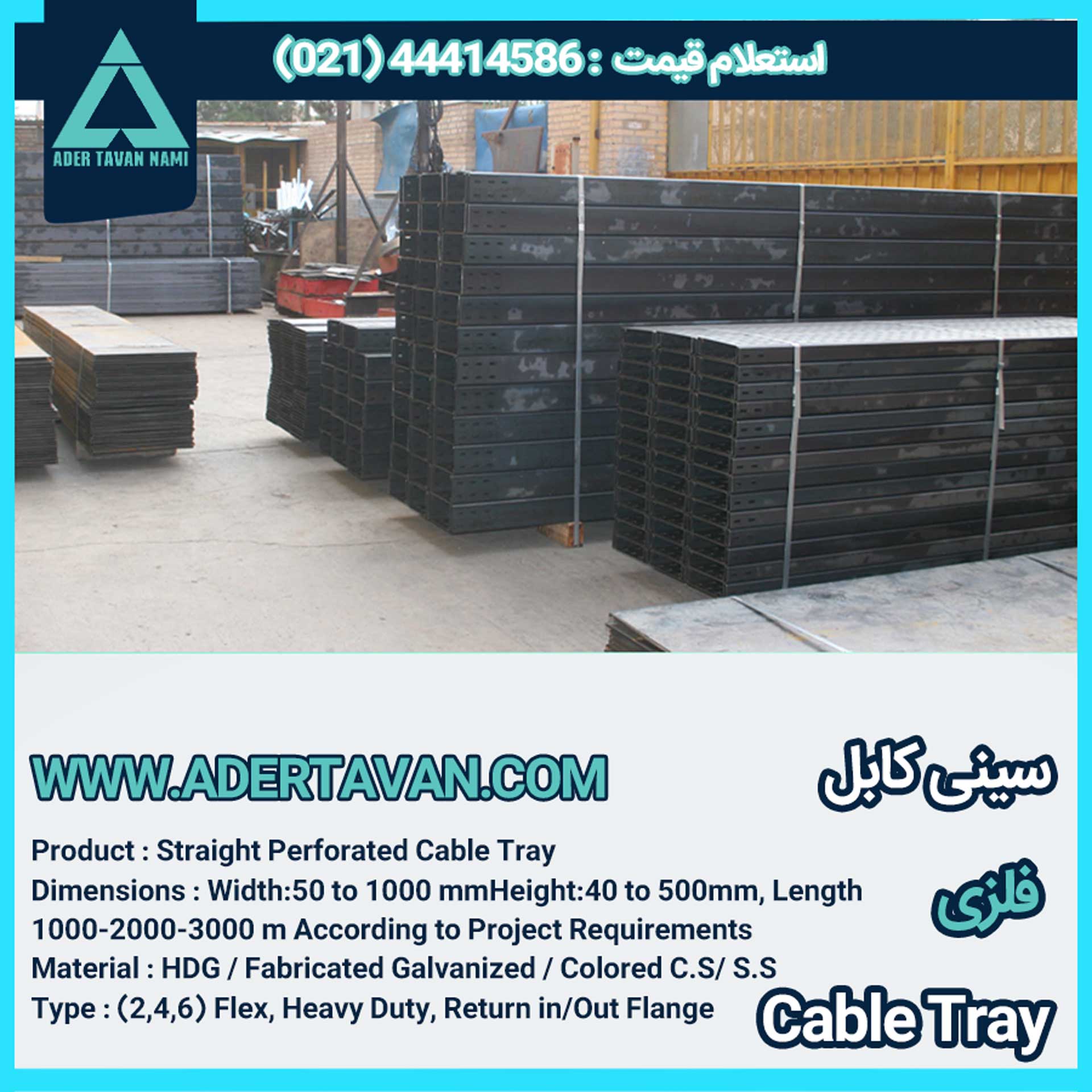
A cable tray is typically manufactured from sheet metal, often with a slotted pattern that makes it easy to mount accessories, secure cables, and attach components such as pipe clamps. It’s widely used for carrying electrical and instrumentation cables.
Solid-bottom designs reduce electromagnetic interference, while perforated versions allow for drainage and ventilation. This support tray also prevents cable sagging, which could otherwise damage circuit performance — and gives installations a cleaner visual finish, particularly in open-ceiling environments where concealment isn’t practical.
To withstand UV exposure, snow/ice, and vandalism, units can be coated or built from corrosion-resistant metals. Standard lengths run 2 or 3 meters, with common materials including low-carbon steel, stainless steel, aluminum alloys, or zinc/epoxy-coated steel.
Main Material Types
- Steel — Made from high-strength structural steel via continuous roll-forming for enhanced durability.
- Stainless Steel — Highly resistant to moisture, bending, and high temperatures.
- Aluminum — Extruded for excellent corrosion resistance, a strong strength-to-weight ratio, and easy installation.
Galvanization Methods
Galvanizing is the most common protective coating — cost-effective with strong resistance to environmental chemicals. Three methods are used:
- Electro-Galvanized (Cold Dip) — Zinc applied via electrolysis; resistance depends on coating thickness and environment.
- Mill-Galvanized (Pre-Galvanized) — Steel coils passed through molten zinc before fabrication.
- Hot-Dip — Full immersion in molten zinc after fabrication, coating all surfaces, edges, perforations, and weld points. This produces the thickest, most durable finish and is preferred for outdoor and industrial use.
Bend Configuration
The sheet is shaped by an NC bending machine to the client’s specified angle and thickness, producing 2-bend, 4-bend, or 6-bend profiles.
- 4-Bend — Two main bends plus two end bends.
- 6-Bend — Adds a second bend at the ends, which keeps cable edges from catching on the frame and extends wire lifespan.
Choosing the Right Support Tray
- Cable Type — Power vs. data cables call for different widths, bends, and thicknesses.
- Environment — Industrial settings typically demand higher-resistance builds.
- Load — Cable volume and weight determine required width and thickness.
- Pricing — Cost depends on material, thickness, bend count, and width. As a direct manufacturer, Ader Tavan Nami produces fully customized units — sized, finished, and built to spec — at competitive prices.